Underbelly | 2026
Experimental Book Design
Recipient of the Outstanding BFA Show Project Award
Cal Poly Department of Art and Design
Underbelly
2026
Experimental Book Design
Overview
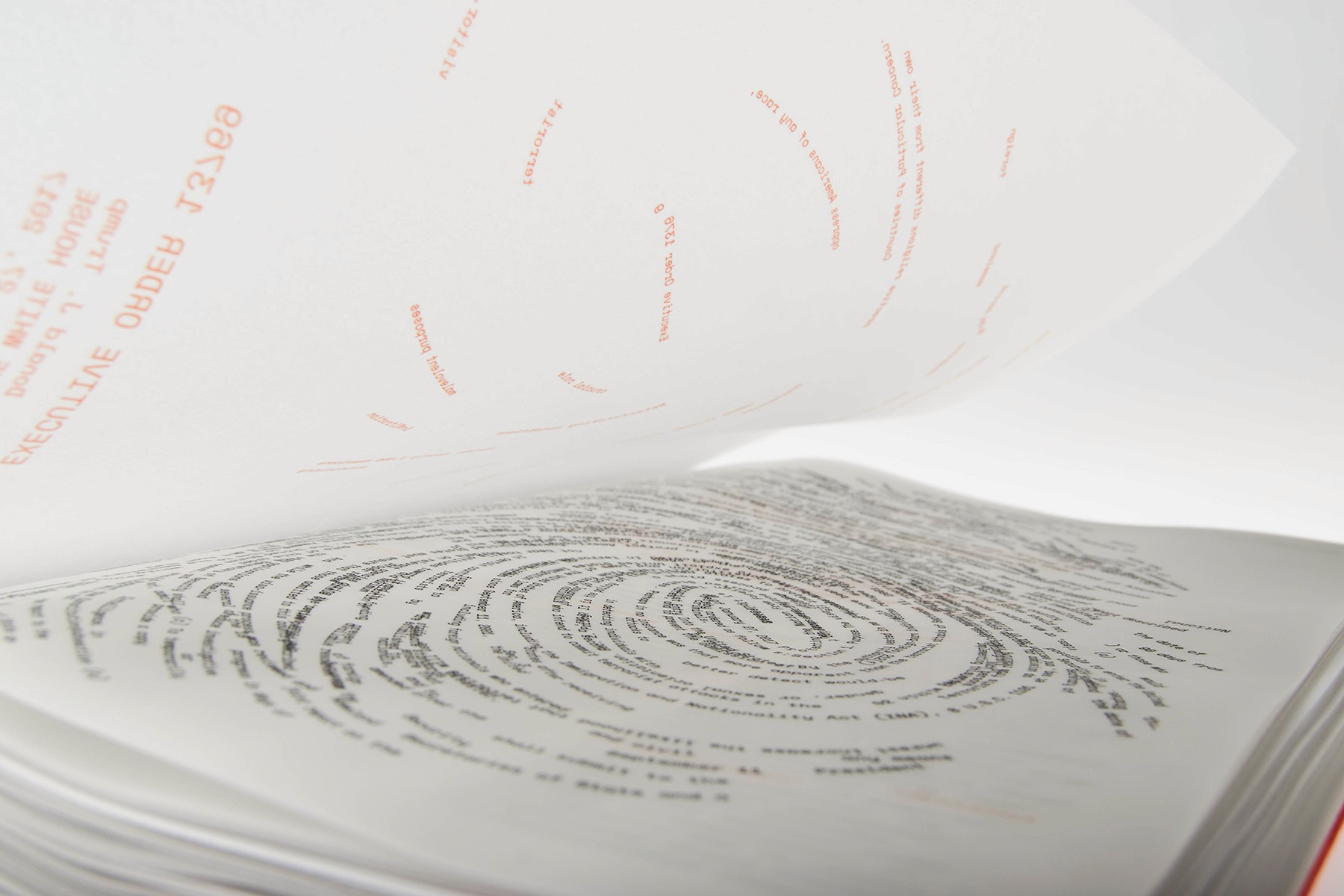
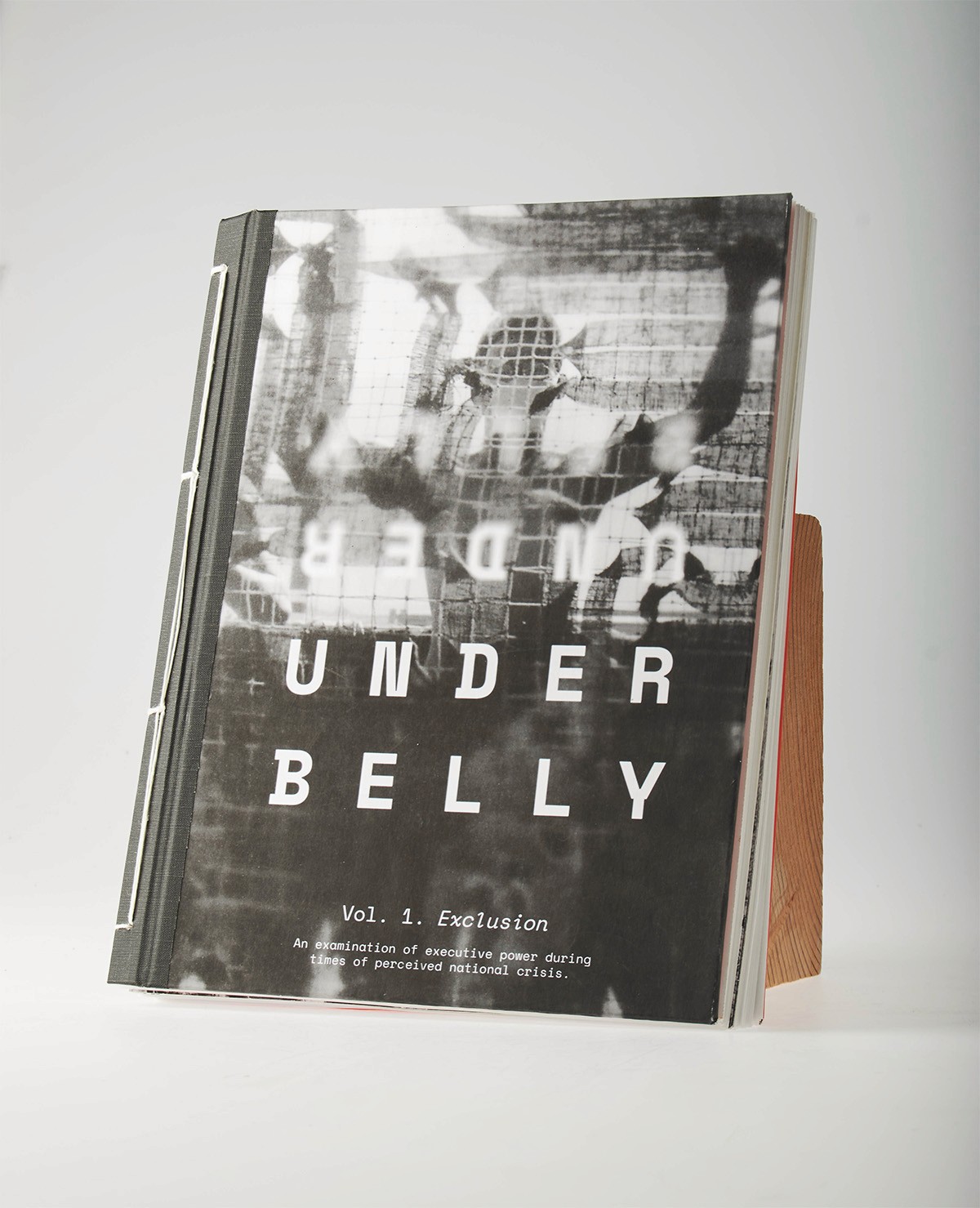
Underbelly is a magazine examining how legitimacy is performed through legal language—how neutrality, objectivity, and procedural authority are constructed typographically, and how those formal conventions contrast material consequences.
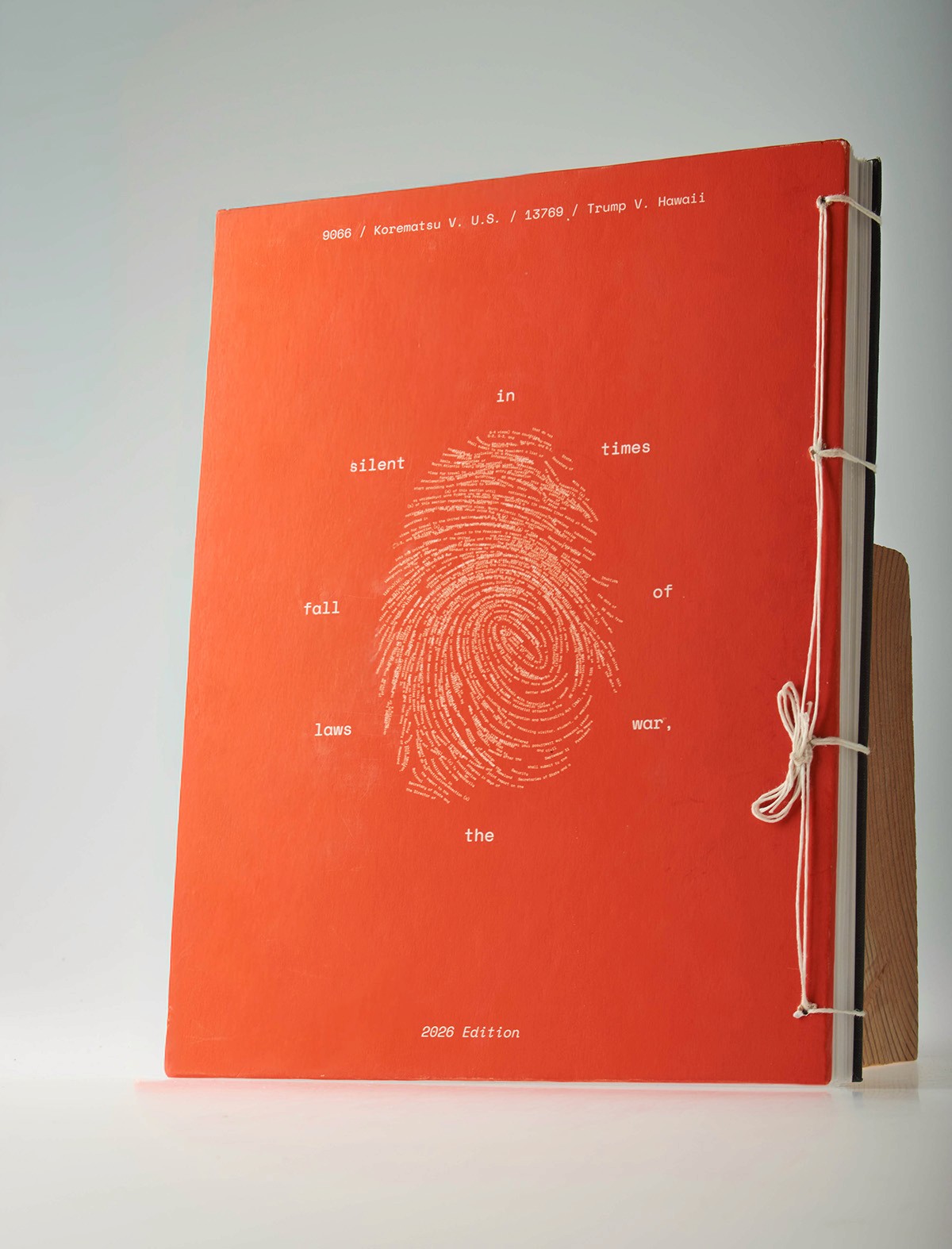
The Exclusion Edition examines Supreme Court cases, executive orders, and official government documents related to state-mandated evacuation, internment, and travel bans. Tracing a lineage from Korematsu v. United States to Trump v. Hawaii, the issue explores how legal interpretation shifts during periods of war, national crisis, and heightened state power—and how the language of law legitimizes exclusion.
The ultimate purpose of the magazine is to encourage a deeper understanding of language and media, and for its readers to apply this analytical framework to the interpretation of current events.
Read More
Overview
Underbelly is a magazine examining how legitimacy is performed through legal language—how neutrality, objectivity, and procedural authority are constructed typographically, and how those formal conventions contrast material consequences.
The Exclusion Edition examines Supreme Court cases, executive orders, and official government documents related to state-mandated evacuation, internment, and travel bans. Tracing a lineage from Korematsu v. United States to Trump v. Hawaii, the issue explores how legal interpretation shifts during periods of war, national crisis, and heightened state power—and how the language of law legitimizes exclusion.
The ultimate purpose of the magazine is to encourage a deeper understanding of language and media, and for its readers to apply this analytical framework to the interpretation of current events.
Read More
Overview
Underbelly is a magazine examining how legitimacy is performed through legal language—how neutrality, objectivity, and procedural authority are constructed typographically, and how those formal conventions contrast material consequences.
The Exclusion Edition examines Supreme Court cases, executive orders, and official government documents related to state-mandated evacuation, internment, and travel bans. Tracing a lineage from Korematsu v. United States to Trump v. Hawaii, the issue explores how legal interpretation shifts during periods of war, national crisis, and heightened state power—and how the language of law legitimizes exclusion.
The ultimate purpose of the magazine is to encourage a deeper understanding of language and media, and for its readers to apply this analytical framework to the interpretation of current events.
Read More
Challenges
The largest challenge was figuring out how to reveal underlying themes using thoughtful typography, materials, and research. My goal was to create a book with a unique reading experience that naturally encourages critical thinking and deeper analysis of legal practice and institutions of government. This project started with weeks of in depth research, book mapping, and mockups.
Challenges
The largest challenge was figuring out how to reveal underlying using thoughtful use of typography, materials, and research. My goal was to create a book with a unique reading experience that naturally encourages critical thinking and deeper analysis. This project started with weeks of in depth research, book mapping, and mockups.
Challenges
The largest challenge was figuring out how to reveal underlying themes using thoughtful typography, materials, and research. My goal was to create a book with a unique reading experience that naturally encourages critical thinking and deeper analysis of legal practice and institutions of government. This project started with weeks of in depth research, book mapping, and mockups.
Solutions
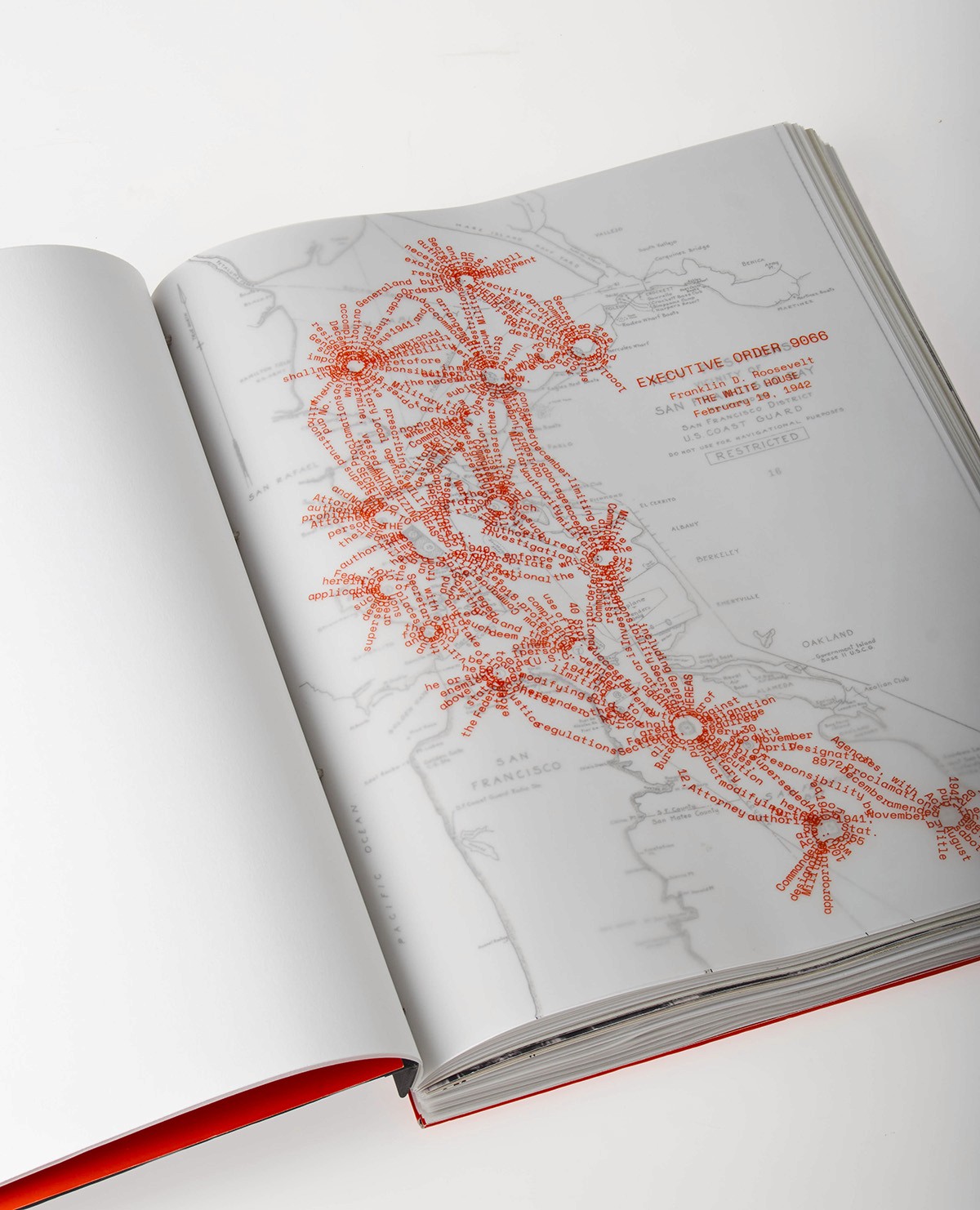
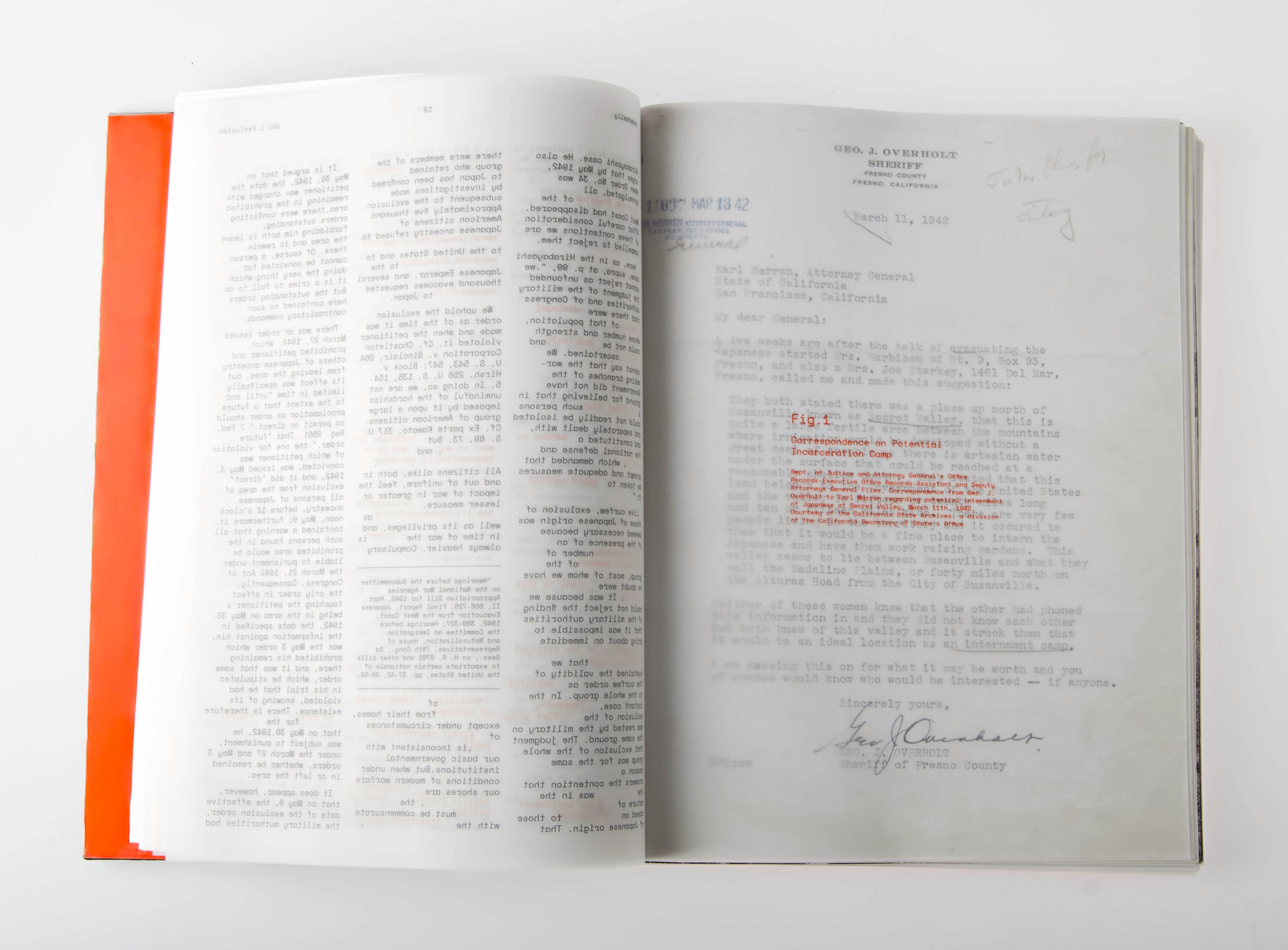
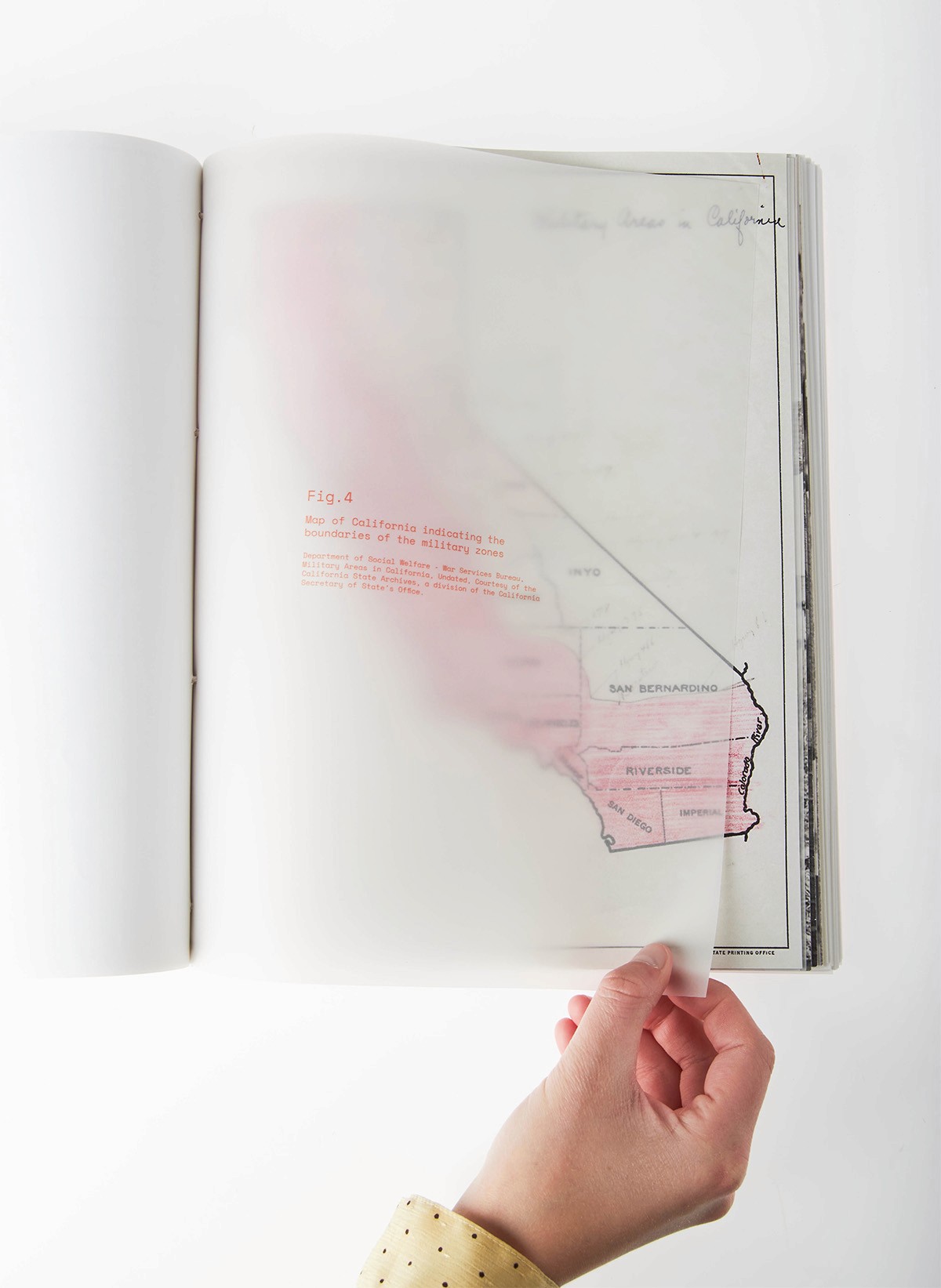
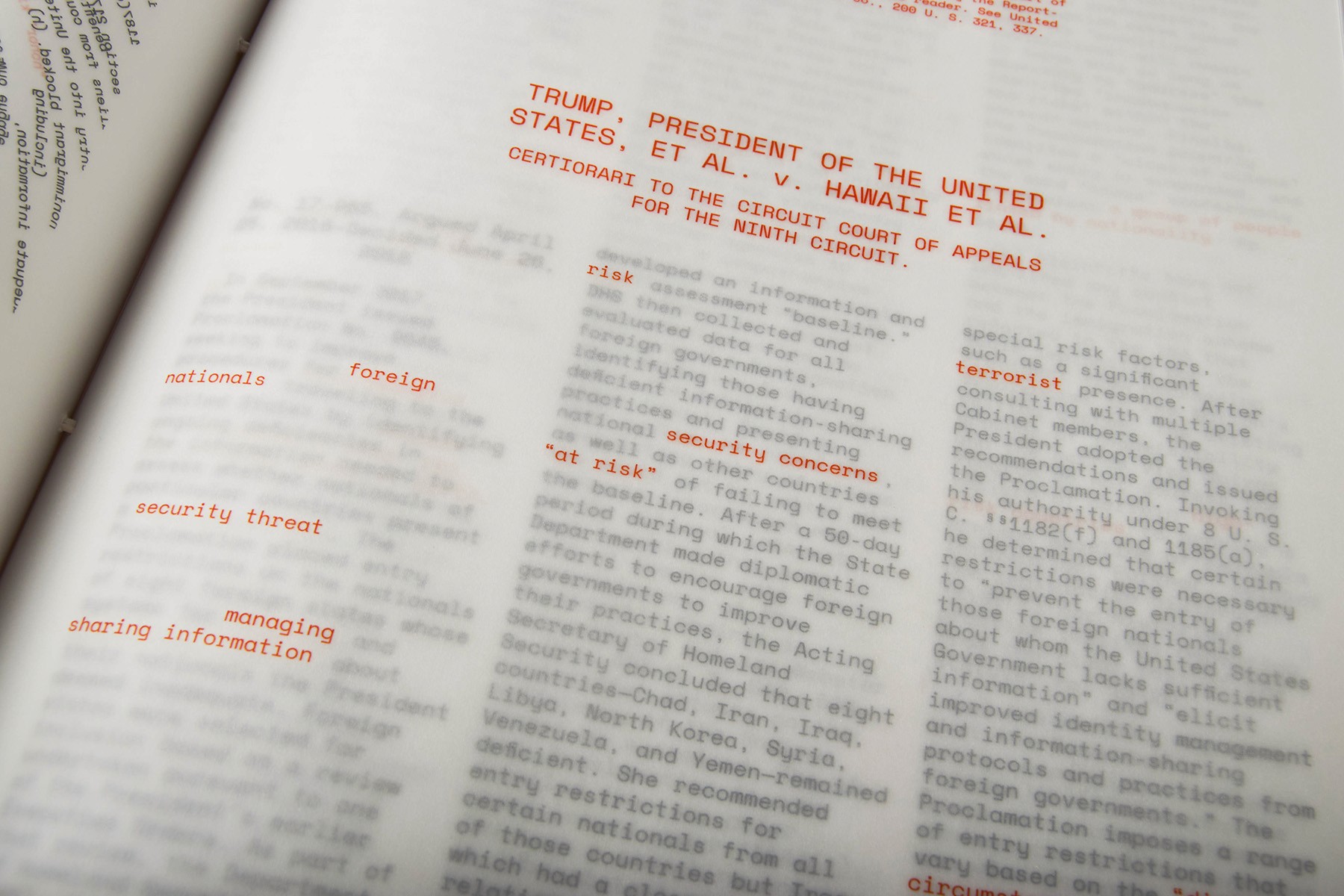
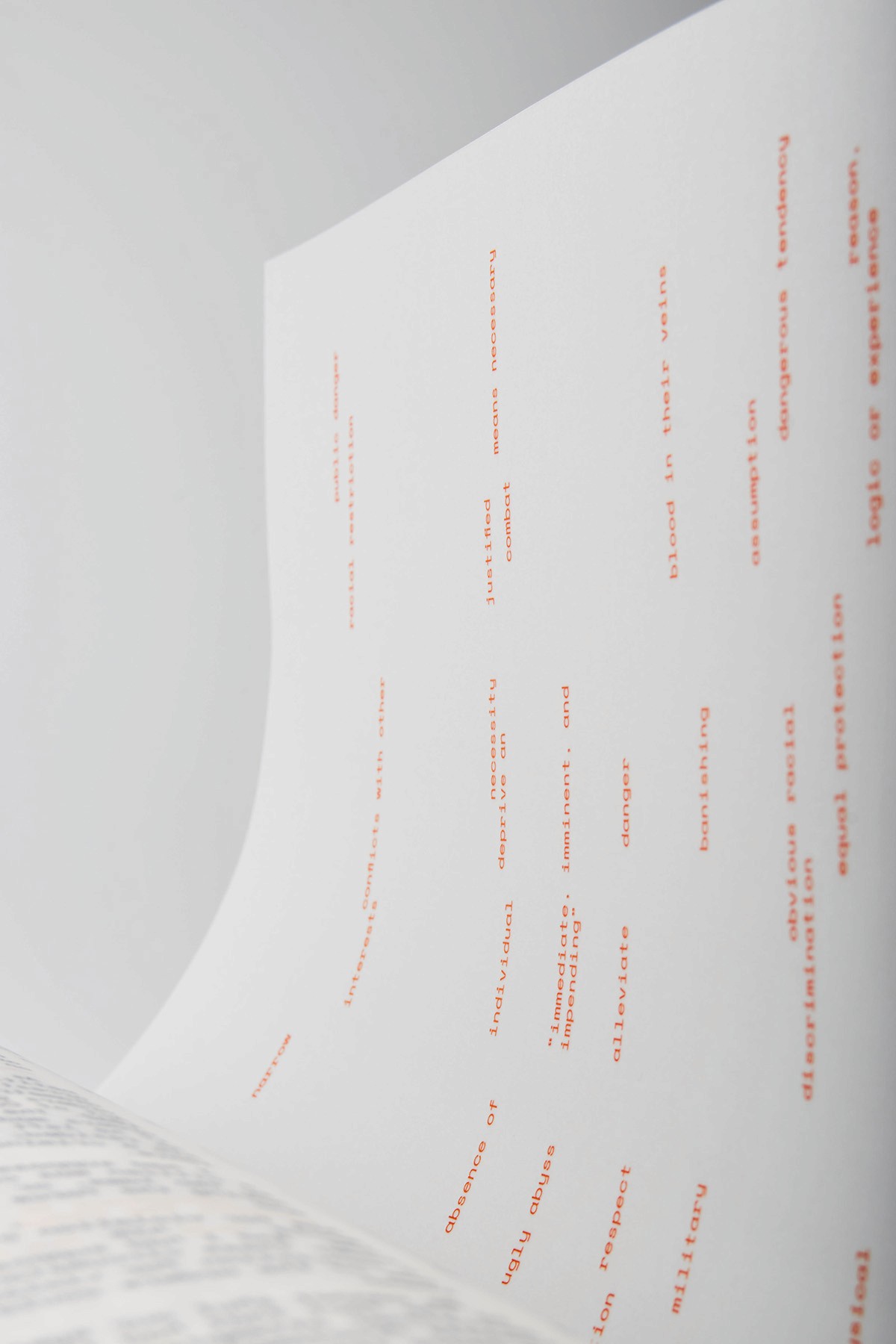
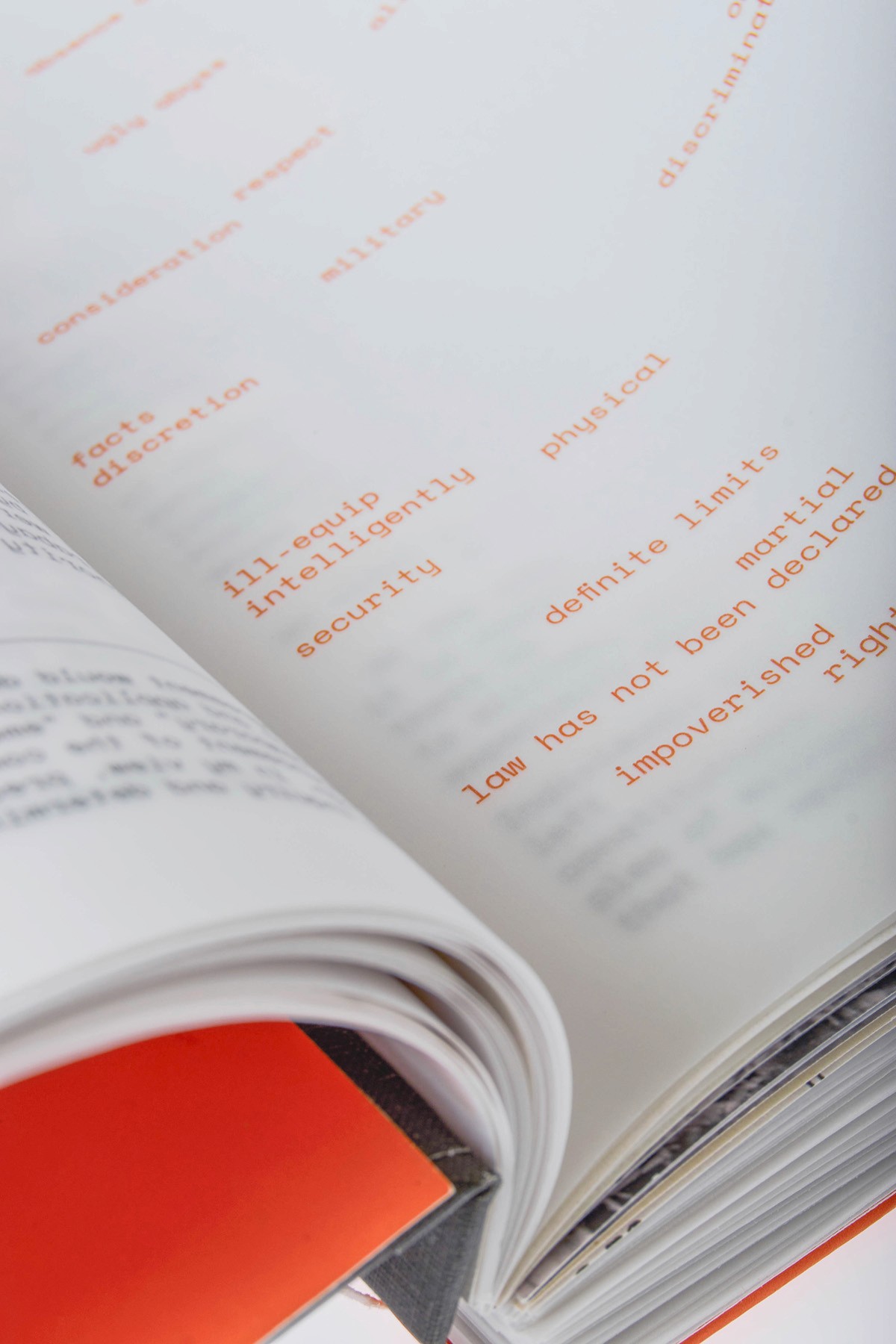
The use of vellum allowed me to physically layer the texts in a way that pulled out some of the hidden meanings behind the arguments presented. The tactile quality of the book allowed me to create typographic layouts that were both unique and thought provoking.
Solutions
The use of vellum allowed me to physically layer the texts in a way that pulled out some of the hidden meanings behind the arguments presented. The tactile quality of the book allowed me to create typographic layouts that were both unique and
thought provoking.
Solutions
The use of vellum allowed me to physically layer the texts in a way that pulled out some of the hidden meanings behind the arguments presented. The tactile quality of the book allowed me to create typographic layouts that were both unique and thought provoking.
Deliverables
Japanese stab-bound book
24 x 36 promotional poster
Exhibition space design
Deliverables
Japanese stab-bound book
24 x 36 promotional poster
Exhibition space design
Deliverables
Japanese stab-bound book
24 x 36 promotional poster
Exhibition space design
1
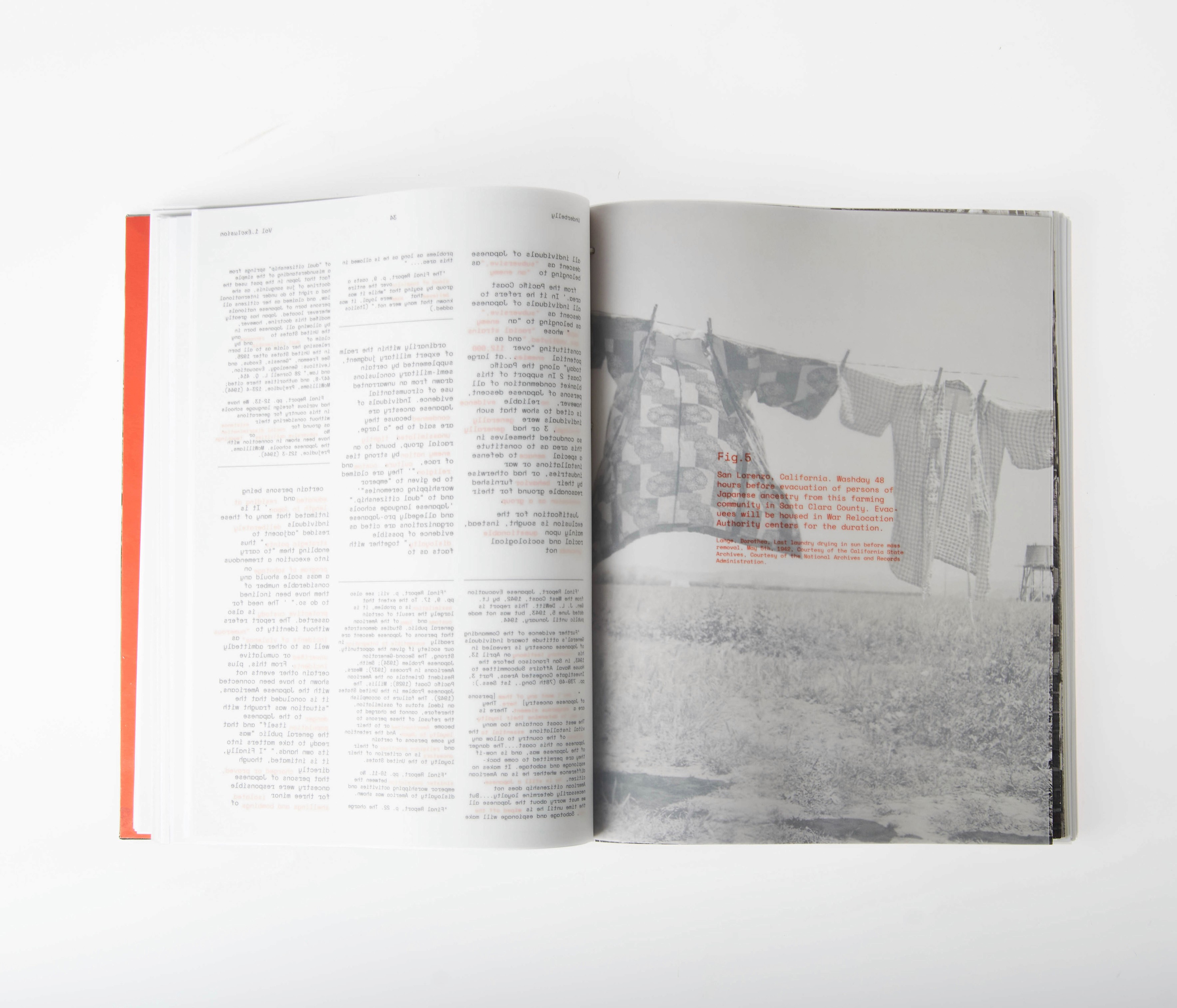
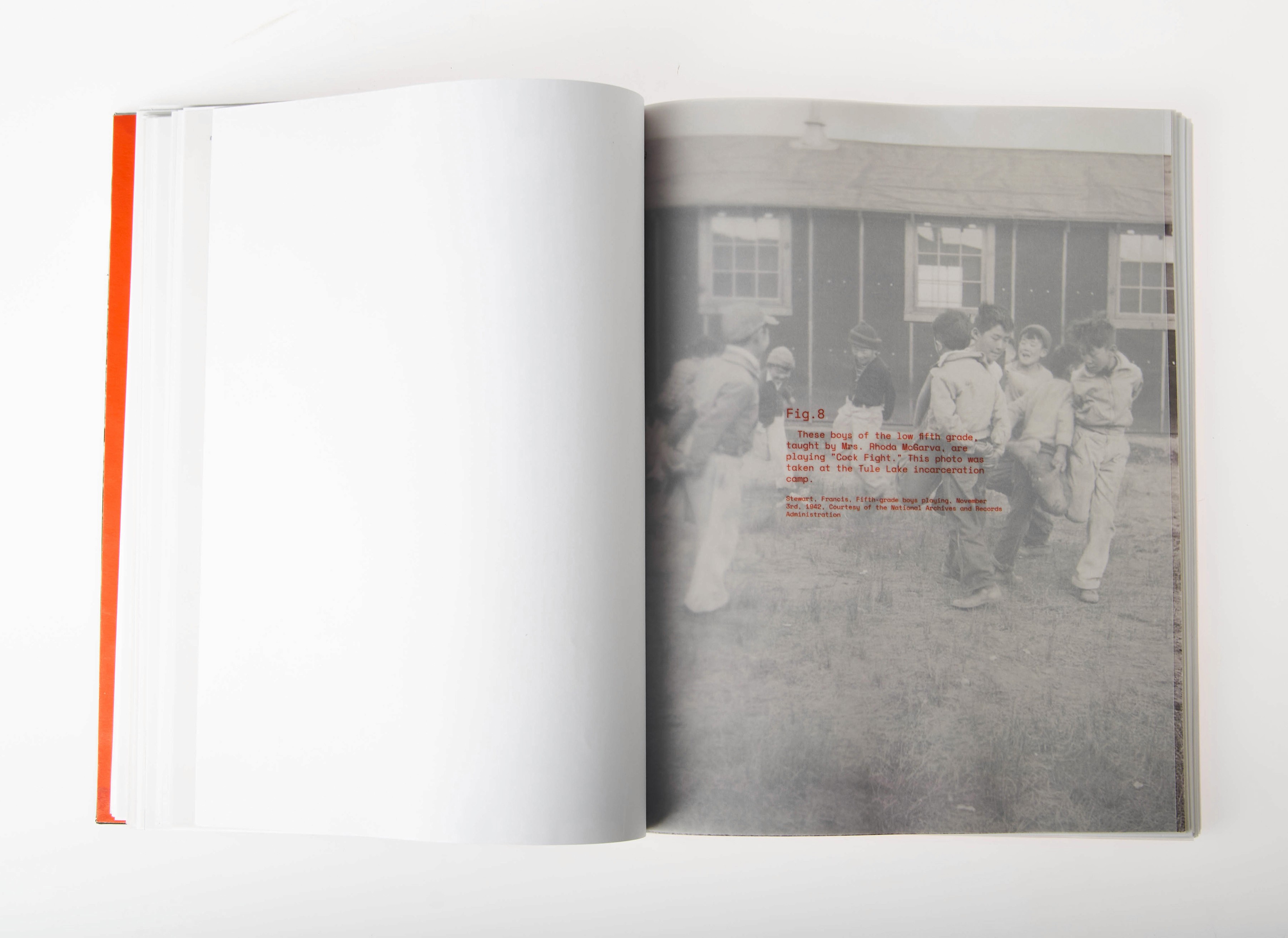
Section one focuses on the period of Japanese Incarceration on the West Coast during World War II, when anti-Japanese sentiment was already deeply entrenched in the United States. Pearl Harbor provided government officials with the justification to establish camps across the West Coast, citing claims of imminent danger and threats to national security.
Included are both Executive Order 9066, which authorized the mass incarceration in 1942, and the Supreme Court case Korematsu v. United States, which upheld the constitutionality of the policy. Although the decision was formally repudiated by the Supreme Court, it remains a warning about the expansive reach of executive power during times of crisis.
Read More
1
Section one focuses on the period of Japanese Incarceration on the West Coast during World War II, when anti-Japanese sentiment was already deeply entrenched in the United States. Pearl Harbor provided government officials with the justification to establish camps across the West Coast, citing claims of imminent danger and threats to national security.
Included are both Executive Order 9066, which authorized the mass incarceration in 1942, and the Supreme Court case Korematsu v. United States, which upheld the constitutionality of the policy. Although the decision was formally repudiated by the Supreme Court, it remains a warning about the expansive reach of executive power during times of crisis.
Read More


2
Section Two highlights the actions taken during the first Trump administration regarding the restriction of immigration from several Muslim-majority countries: Iran, Libya, Somalia, Sudan, Syria, and Yemen. While this travel ban was similarly justified through claims of pressing dangers to national security, and the inability to discern the “loyal from the disloyal”, the exclusion of Muslim individuals had been a central promise of Trump’s presidential campaign from its inception.
In the shadow of Korematsu v. In the United States, this case reveals important parallels between perceived national crisis and an expansion of executive power.
Read More
2
Section Two highlights the actions taken during the first Trump administration regarding the restriction of immigration from several Muslim-majority countries: Iran, Libya, Somalia, Sudan, Syria, and Yemen. While this travel ban was similarly justified through claims of pressing dangers to national security, and the inability to discern the “loyal from the disloyal”, the exclusion of Muslim individuals had been a central promise of Trump’s presidential campaign from its inception.
In the shadow of Korematsu v. In the United States, this case reveals important parallels between perceived national crisis and an expansion of executive power.
Read More





BFA Show Installation
BFA Show Installation

Back to top